
Recent MFSAVoices Newsletters


MFSA News
Our Business is a New World
A few weeks ago, I was invited to speak at a community vigil that had been organized after the killing of Renee Good in Minneapolis. My congregation was hosting the gathering, but we were by no means running the show - it was a team, gathered with only a days notice, that was gathering people for this brave and healing moment. This team was made up of local advocates for LGBTQ rights, Black Lives Matter organizers, queer theologians, the head of a mostly Spanish-speaking immigrant queer and trans community, and others. The team, and their children, brought boxes and boxes of candles and made a beautiful candle-lit altar, and the queer migrant community built an ofrenda to remember not only Renee Good but also all of the lives taken by ICE in the past year, many of whom had gone unnoticed by the national press, even as their families and communities grieved the shock and tragedy of what was unfolding.
Ashes, Empire, and the Refusal to Look Away
“Remember that you are dust, and to dust you shall return.”
On Ash Wednesday, these words confront us with what Empire works hardest to deny: our
shared fragility, our interdependence, and the lie that some lives matter more than others.
Shaped by years of shared ministry as an Elder and a Deaconess serving Arch Street UMC in
Philadelphia, we receive the ashes as both confession and commission. We come to these
ashes formed by unequal authority—one bearing institutional power, one carrying the weight of
systems that rarely recognize her call. Empire taught us these arrangements, and the Church
has too often baptized them. But the ashes we receive together refuse the hierarchy. They
expose the lie that proximity to power makes one more necessary, more holy, or more secure.
In receiving them together, we confess our complicity and accept a shared commission: to resist
every system that declares some lives, some callings, some bodies disposable. In a city shaped
by resistance and resilience, we are reminded that none of us is disposable—no matter what
the systems of this world declare.
Learning Racial Justice as a Young Filipino Leader in MFSA
As a young Filipino leader trying to engage in racial justice work within the church and the society, I have come to realize that understanding racism requires more than just good intentions; it requires humility, accountability, and a willingness to confront uncomfortable truths within the organizations we are part of.
My ongoing experience with MFSA has been an active learning process, revealing ways the organization tries to address racial justice and the ways it still struggles with systemic white dominance. This journey is teaching me to understand how real racial justice works in the church and in society by dismantling structures that prioritize white comfort and moving beyond so many symbolic actions toward real and authentic accountability to People of Color.
Thank You to Cynthia Tuell for Her Years of Faithful Service on the MFSA Board and Beyond
Methodist Federation for Social Action (MFSA) extends deep gratitude to Cynthia Tuell, who concluded her term of service on our Board of Directors at the end of 2025. Cynthia’s leadership, insight, and unwavering commitment to justice have made a meaningful impact on our organization and movement.
A lay member of First United Methodist Church of Upland, California, Cynthia has been a faithful and persistent presence in the California-Pacific MFSA chapter for over fifteen years. As a member of the Leadership Team and the long-time coordinator of the MFSA booth and coffee bar at Annual Conference, she helped create spaces of welcome, learning, and solidarity year after year.
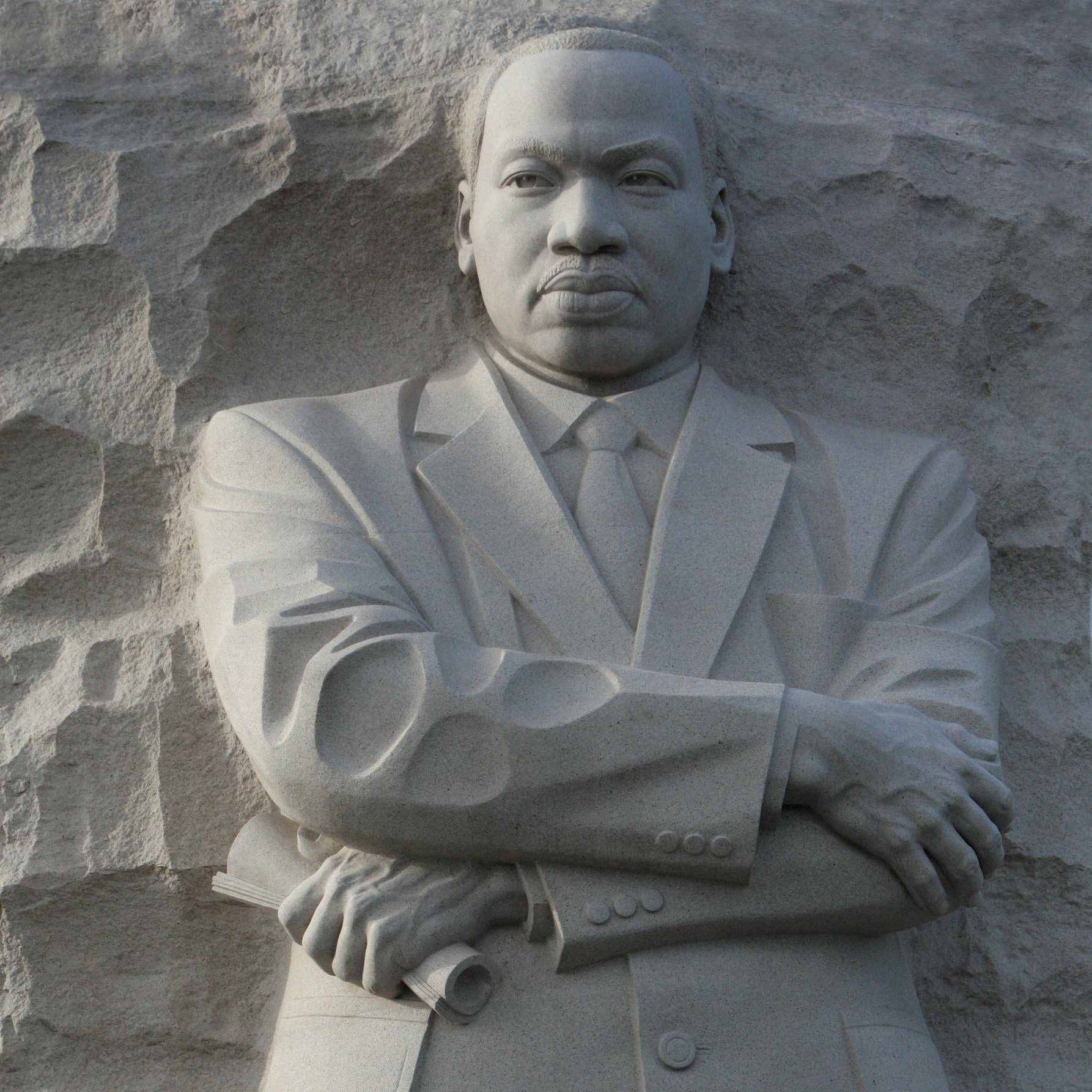
Martin Luther King Jr. Day
Every year, Martin Luther King Jr. Day invites us to pause and ask what kind of world we are shaping together. Dr. King’s vision was never passive. He called people to gather, organize, and demand a society where every person could live with dignity. His dream doesn’t depend on the approval of those in power. It depends on communities that refuse to give up.
The Church's Conscience: MFSA's Witness for a Just Democracy
I was visiting a new church a while ago when a bulletin insert caught my eye. It announced the church's food pantry expansion, written with genuine compassion about serving families in crisis. Beautiful words about feeding the hungry and loving our neighbors. I held that bulletin while the congregation prayed for those struggling to make ends meet.
Just days before, Congress had failed to pass a continuing resolution, sending the country into a government shutdown. It didn't take long for this crisis to be weaponized. SNAP benefit cuts that would push hundreds of thousands of families toward hunger were implemented, and a renewal of a policy that would maintain low healthcare premiums for low-income Americans was nowhere to be seen. Many of those served by this food pantry would be the people directly impacted by these decisions. They were the same neighbors we were praying for.

A Justice-Seeking Christmas Eve
On this Christmas Eve, we send you love, peace, and deep gratitude. As we gather in many places and carry many emotions, the story we remember tonight is rooted in courage, welcome, and the relentless hope of people longing for justice. May this night strengthen your spirit, ground you in community, and remind you that the work we share continues to make room for all. We offer this Christmas Eve prayer as a companion for the night, a reminder that the Christmas story still speaks into the struggles and hopes of our world today.
Love That Risks Everything
Las Posadas is a cherished tradition celebrated in Mexico and throughout many Latino communities across the world during the nine days leading up to Christmas, December 16–24. The word posadas means “lodging” or “shelter,” and the ritual reenacts the journey of Mary and Joseph as they search for a place to stay in Bethlehem before Jesus’ birth.
It is, in many ways, the quintessential immigrant story—a story of displacement, uncertainty, and the yearning to be welcomed.
But perhaps Las Posadas invites us to go even deeper. What if, rather than seeing the pilgrims only as humble figures meekly asking for entry, we recognize the radical courage in their persistence? What if Las Posadas is not only about the hospitality of the homeowner, but also about the unwavering dignity of those who stand at the door?
There Is No Joy Without Resistance
Lately, I’ve been thinking about courage, faith, and that joy might actually look a lot more like suffering than safety.
In February 2025, I left my home and family in the US to live in Berlin, Germany. My wife is a German citizen, a child of refugees and immigrants. I will never forget one Saturday morning in 2023, in our home in West Michigan, waking up to one of the earliest Israeli atrocities in the current intensification of the Palestinian genocide, and yet another anti-trans bill passed in the US.
“We need to make a plan to leave in the next few years,” she said.

Hope Is Still Alive—Because People Like You Keep Showing Up
Your faithful giving helps sustain a bold, public witness for justice in our church and communities, making hope and resistance possible. When you include MFSA in your annual giving, you are saying: We will not be silent. We will not back down. We will resist—in faith and in action.
The Things that Make for Peace, More than the Absence of Conflict
For many of us believers, two kinds of reality confront us in this Advent season: the seeming darkness and despair of an increasingly violent world and the belief that darkness must and will give way to light.
The season of Advent during dark December challenges Christians (especially those of us in cold northern climates) to remember we are alive for a purpose and to be vigilant through the darkest times, in particular for those who are suffering.
These seasonal thoughts are bringing Palestine to my mind more vividly than any previous time of my life. I ponder the terrifying darkness that has beset the Palestinian people. The horrors that plague Gaza call me - and hopefully all of us - to deepest self-examination. Events in Gaza force us to see the potent existence of a modern, human-made hell, bringing judgment on those who seek to ignore or deny it.
Rooted in Peace: Understanding Nonviolent Direct Action Through the Lens of Faith
When I first heard about Nonviolent Direct Action (NVDA), I thought it was just a peaceful way to protest, a strategy to fight injustice without using violence. But after attending a NVDA training, I realized it is much more than that. NVDA is not only a method; it is a way of life. It shapes how we think, act, and respond to the world. It’s about standing for justice with love, choosing peace even in the face of conflict, and believing that change can happen without causing harm.
God’s Holy Family as a Sign of Hope to Religious Autocracies
The Christmas story is, at its core, a migration story—then and now. Jesus was born to an occupied people, became a refugee, belonged to a stateless community, fled the Roman state’s genocidal pogrom of infanticide, and lived under the grueling, everyday autocratic threat designed to diminish dignity and humanity among the oppressed. This setting is central to God’s choice to be incarnate among God’s people. God intentionally chooses to experience the world among and alongside marginalized and displaced people.
We live in a season when religious nationalisms of many kinds seek to define who we are, who God is, and what God desires for this pivotal moment in our shared history.
Indiana is home to the newest MFSA Chapter
On Oct. 29, the Methodist Federation for Social Action recognized Indiana MFSA as a full MFSA chapter, committed to be a people of faith who work nonviolently to end oppression and injustice in all of its intersections while practicing radical hospitality and inclusivity.
Three Indiana Methodists, retired elder Rev. Dan Gangler, and United Methodist Deaconesses Beth DeHoff and Lisa Meidi Miller, started exploring the establishment of a new Indiana MFSA chapter last year, and they hosted an information luncheon at the Indiana UMC Annual Conference in May 2025. In September, the fledgling group held its first business meeting. This garnered enough MFSA memberships and commitments to support a chapter that the group was able to apply to be a chapter of MFSA shortly after, and that was approved by the MFSA board.

Statement on the Ratification of UMC Constitutional Amendments
The Methodist Federation for Social Action celebrates this week’s historic news that all four constitutional amendments adopted by the 2020/2024 General Conference have been ratified by the annual conferences of The United Methodist Church.
This moment reflects decades of faithful advocacy by countless United Methodists who have worked to build a church rooted in justice, equity, and God’s unconditional welcome. These amendments strengthen our shared life together: affirming that no one can be excluded because of gender or ability, naming and confronting racism and colonialism as sin, empowering regional decision-making across our global connection, and expanding pathways for clergy leadership.

Our History is A Blueprint for Hope
I have always been enamored with stories. I love listening to them, telling them, and dreaming them up. My earliest memories are of the stories my grandparents told me about their childhoods and their experiences in life. I was especially connected to the stories my grandfather told. It was almost as if a light twinkled in his eyes and he came to life in a new way. I realized quickly that stories are the way we remind ourselves of what we believe, where we come from, and what makes us who we are.
It goes without saying that we live in an incredibly turbulent and dangerous time in world history. People are polarized and separated from one another. Western democracies are facing significant threats. A government that is supposed to serve and protect people is doing immense harm to the most vulnerable among us. It is incredibly easy, with all that is going on, to want to take a step back, numb our minds, and dissociate from a world that seems to cause incessant pain. Yet we must persevere. We must remember who we are. Storytelling itself, then, becomes a form of resistance when we refuse to let systems of power erase the truth of God’s justice and take away our joy. Our stories can be our blueprint for hope.

Introducing Camille Bianca Manangan, one of MFSA’s new Organizing Associates
Hello! My name is Camille Bianca Sumera Manangan (Cam) (she/her/hers) and I am excited to be part of MFSA. I graduated with a Bachelor of Arts in Legal Management from the University of the East – Manila. I began my Juris Doctor studies at San Sebastian College Recoletos – College of Law, but was unable to complete the degree because I was called to serve as a Global Mission Fellow in the United Kingdom. I also had the privilege of serving as an intern with the General Board of Church and Society, and I am currently a board member of the General Commission on Archives and History’s Center for LGBTQ+ United Methodist Heritage. These experiences have shaped my passion for faith-based advocacy.
Introducing Connor Prusha, one of MFSA’s new Organizing Associates
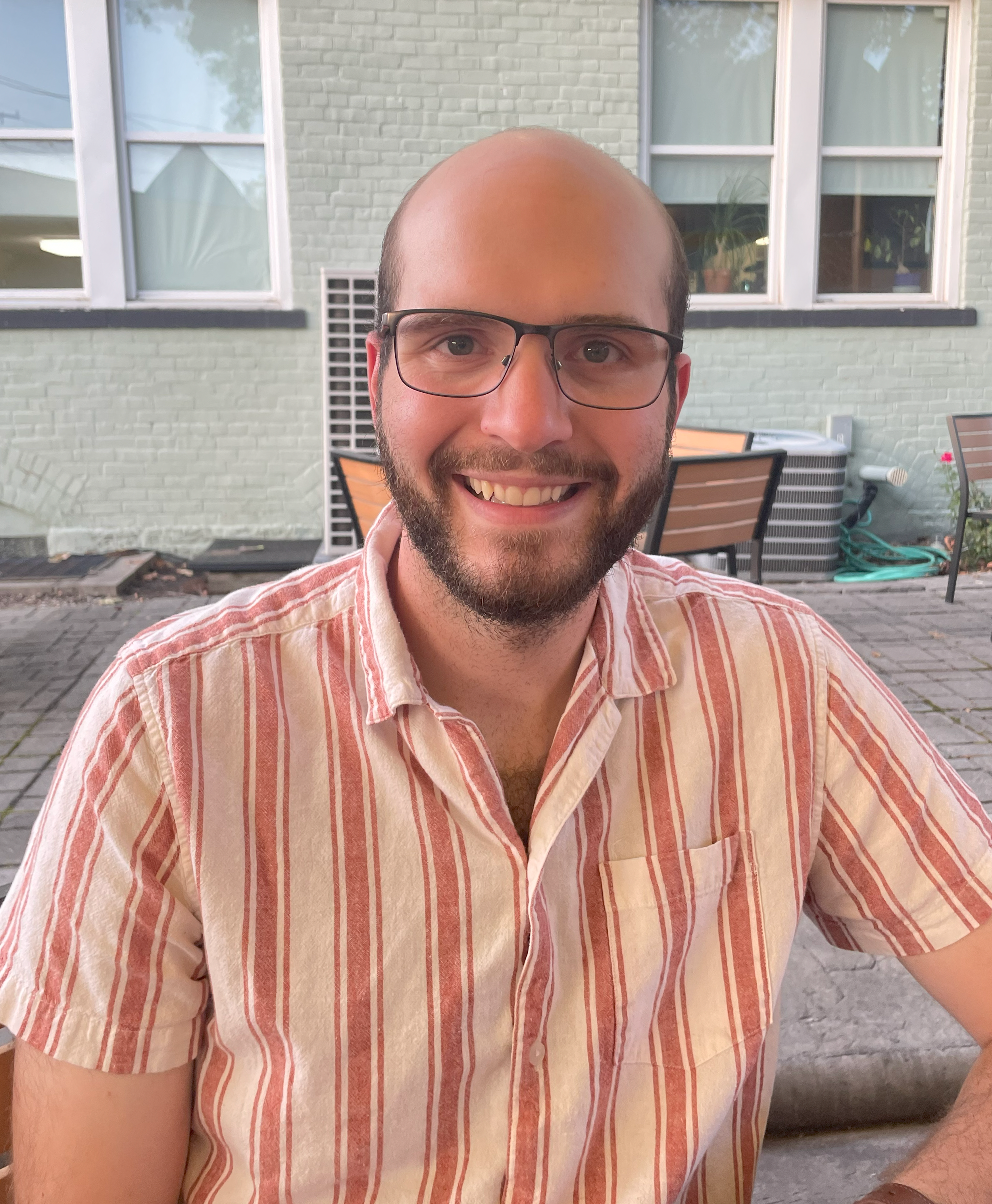
Hello! My name is Connor Prusha (he/him/his), and I am one of the new Organizing Associates at MFSA. I completed a B.A. in Communication Studies at Baldwin Wallace University and went on to graduate with a Master of Public Administration from Bowling Green State University (OH). I am currently completing my Master of Divinity at Drew Theological School and am a Certified Candidate for Ordained Ministry in the East Ohio Conference. I have a passion for connecting and resourcing United Methodists and local churches through the connectional structures of our church, which I live out by serving as Lead, Philanthropy with United Methodist Communications.

We Are Not the First to Resist—But We Must Be the Next
There’s a long line of justice-seekers behind us. People who marched, organized, wrote, prayed, and risked everything—because they believed the world could be different.
More than a century ago, MFSA—then known as the Methodist Federation for Social Service—helped draft the 1907 Social Creed of the Methodist Episcopal Church. It called for child labor laws, safe working conditions, the abolition of sweatshops, and a living wage. Faithful resistance.
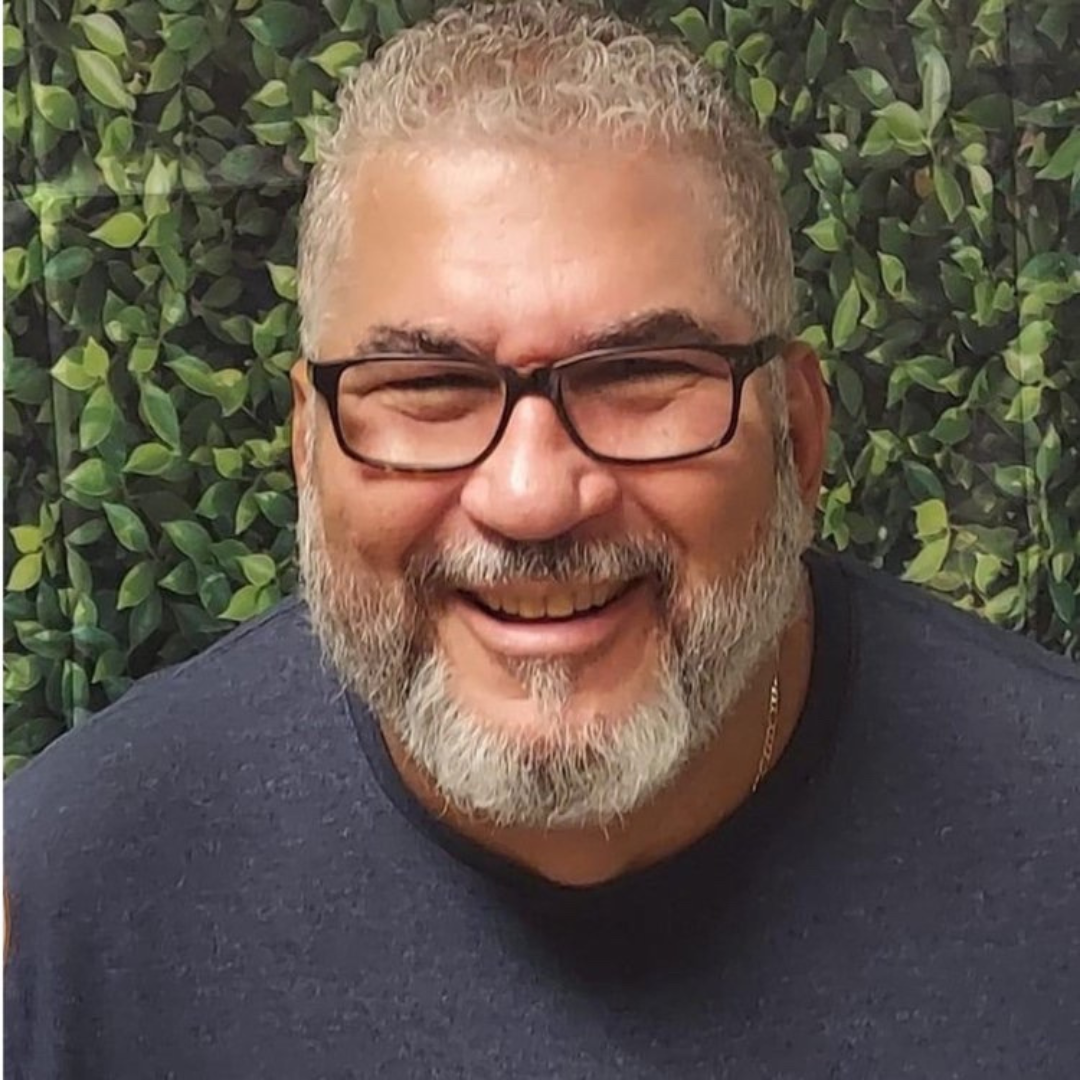
Building Coalitions, Seeking Justice: My MFSA Story
In 1990, I relocated to Buffalo, NY, with my spouse and our 6-month-old daughter. It was my first time serving a church outside my native Puerto Rico. I was assigned to a Latinx congregation that shared a building with a white congregation. For the first time, I experienced the unsettling reality of needing permission for nearly everything.
Very quickly I noticed that our congregation was blamed for anything that went wrong in the building. The white pastor was neither welcoming nor collaborative, and tensions only grew. At that time, I was one of only two Hispanic clergy in the entire conference. A colleague encouraged me to speak with our District Superintendent, and eventually I filed charges. When the news spread, I received a letter from an MFSA leader offering support and reminding me that I was not alone. That encouragement meant a great deal, even as I moved on to a new appointment in Northern Illinois in 1992.