
Ashes, Empire, and the Refusal to Look Away
Lent Devotion by Deaconess Darlene DiDomineck and
Rev. Robin M. Hynicka
Arch Street United Methodist Church
“Remember that you are dust, and to dust you shall return.”
On Ash Wednesday, these words confront us with what Empire works hardest to deny: our shared fragility, our interdependence, and the lie that some lives matter more than others. Shaped by years of shared ministry as an Elder and a Deaconess serving Arch Street UMC in Philadelphia, we receive the ashes as both confession and commission. We come to these ashes formed by unequal authority—one bearing institutional power, one carrying the weight of systems that rarely recognize her call. Empire taught us these arrangements, and the Church has too often baptized them. But the ashes we receive together refuse the hierarchy. They expose the lie that proximity to power makes one more necessary, more holy, or more secure. In receiving them together, we confess our complicity and accept a shared commission: to resist every system that declares some lives, some callings, some bodies disposable. In a city shaped by resistance and resilience, we are reminded that none of us is disposable—no matter what the systems of this world declare.
Our shared ministry lives at the crossroads of altar and street. Through The Center–Philadelphia, the nonprofit arm of Arch Street UMC, we walk alongside unhoused and
unsheltered neighbors each day at the Drop-In Center. There, Ash Wednesday does not stay in the sanctuary. It shows up in shared meals, harm reduction, and accompaniment rooted in dignity. We practice solidarity instead of saviorism, presence instead of control, and community instead of compliance.
An intersectional lens names the truth that homelessness is produced by empire. It is the result of capitalism rooted in racism, settler colonialism, transphobia, ableism, criminalization, and an economy that extracts life from the most vulnerable to protect the comfort of the few. Many of our neighbors are Black and Brown, LGBTQ+, disabled, formerly incarcerated, or undocumented—bodies that empire has marked as expendable. On Ash Wednesday, the ashes disrupt empire’s ranking of human worth. God’s dust refuses hierarchy.
Lent calls us into repentance—not as quiet remorse, but as resistance. Repentance means turning away from the logics of empire that value order over people, property over lives, punishment over repair. It demands that the church tell the truth about its own entanglement with these systems and choose a different way. Ash Wednesday recognizes not only our mortality, but our allegiance: we belong to a God who sides with those crushed under empire’s weight.
Ashes also carry hope. Jesus does not negotiate with empire—he exposes it. He enters hunger, displacement, surveillance, and state violence, and calls us to follow. At the Drop-In Center, resurrection is not abstract. It emerges in mutual care, in shared leadership, in laughter that refuses despair, and in dignity reclaimed day by day.
To our siblings in MFSA: Ash Wednesday asks more than reflection—it demands decision. This Lent, we invite you to renounce empire not only in word, but in practice. Let repentance cost you something. Risk your comfort, your institutional safety, your respectability. Stand where empire tells you not to stand. Align your ministries, budgets, theology, and bodies with those being criminalized and erased. Refuse church practices that mirror the violence of the world and instead build communities of repair, redistribution, and radical welcome.
We receive the ashes knowing they will not let us remain neutral. Marked with dust, we walk toward resurrection—not around empire, but through its lies—trusting that God is already at work, making all things new.
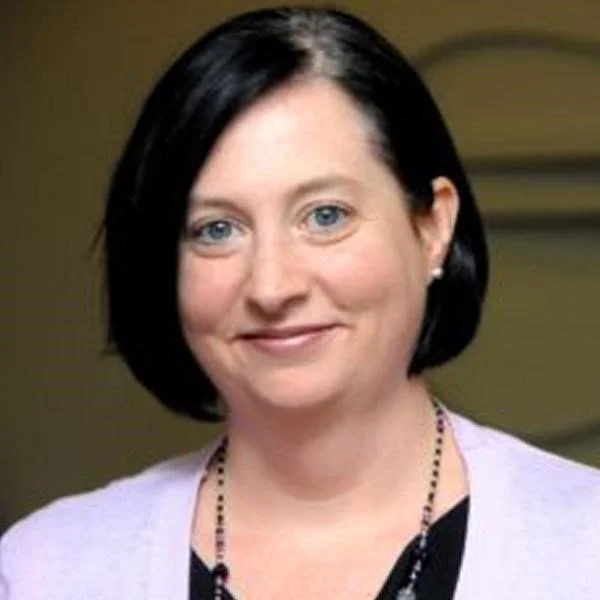
Deaconess Darlene DiDomineck
a Deaconess in the Eastern Pennsylvania Annual Conference is appointed to serve as the executive director of the Center-Philadelphia @ Arch Street United Methodist Church. The Center is a church-based community center offering daytime services to its unhoused/unsheltered neighbors. Arch Street UMC is a reconciling, justice-seeking, and sanctuary congregation located in the heart of Center City Philadelphia and is committed to intersectional, faith-based movements for social change. Darlene previously served as the interim Executive Director of the Methodist Federation for Social Action from 2016-2018.
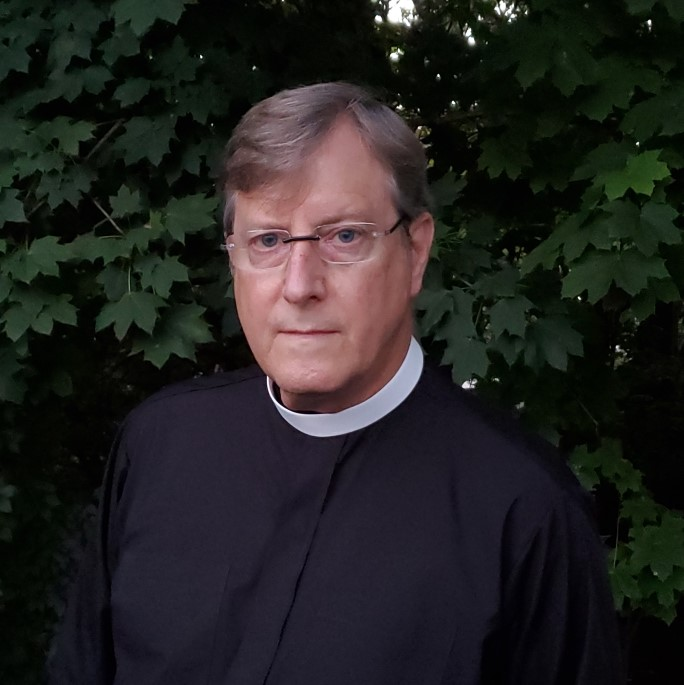
Reverend Robin M. Hynicka
an Elder in the Eastern Pennsylvania Annual Conference and the Lead Pastor of the Arch Street United Methodist Church, has 47 years of experience working at the intersection of community well-being, human rights, and social equity in Philadelphia. As a founding member of POWER Interfaith, he has played a key role in organizing communities of faith and conscience to address racial inequity and the region’s affordability crisis. His approach emphasizes authenticity, conscience-driven action, and daily practices that advance justice, inclusion, and human well-being.
Arch Street UMC, a Justice-Seeking Congregation, was founded in 1862 as a neighborhood church in center city Philadelphia, and as time and Philadelphia has grown, Arch Street has become an urban church for all people. As one of the oldest churches in the city, Arch Street has a rich history as a gathering space for justice seekers and people protesting the powers in all spaces. Arch Street United Methodist Church is a community of faith-keeping and faith-seeking people who embrace diversity in our congregation and community, and affirm the dignity and worth of every person as created in the image of God. We celebrate and give thanks for all of the gifts of God among us. Our welcome knows no boundaries, whether of age, racial or ethnic background, gender, sexual orientation or gender identity, economic or marital status, or physical or mental ability. We welcome all to share in the ministry, fellowship, and blessings of full participation as members of Christ’s body.