
“How Long, O Lord?”
Lent Devotion by Rev. Sara E. Baron
First United Methodist Church of Schenectady
When I was in seminary and doing a pastoral internship at the Hollywood United Methodist Church, I was invited by one of the church members to spend a night on the streets with her. She was chronically unhoused, and she was willing to be my teacher and guide.
I was not brave enough to take her up on her offer.
It terrified me.
It wasn’t even that I was scared for my safety, I had confidence in her knowledge and care. It was that I couldn’t get past the fear that if I left the secure bubble of my life for one single night, it might burst and I’d never be able to get back to it. It was irrational, ridiculous, and unfounded. I couldn’t move past it.
I’ve always regretted my cowardice, she had a lot to teach that I never learned.
I now serve a different inner city church, this one in Upstate New York. Well before I arrived they started a Free Community Breakfast Program on Sunday mornings, which feeds anyone who wants to eat. A large portion of our guests are unhoused. It is really hard to look around and believe any of the myths about what is good about unfettered capitalism and competitive consumerism.
The Breakfast Program works hard to treat our guests with the dignity and respect that human beings deserve as beloveds of God. We make sure people get choices about their food, that food needs are respected, that people can eat on plates with metal utensils, and we respond to needs as well as we can when they arise. A church member who is a social worker often helps people find housing on the side, hats and scarves get distributed, and lists of other services are available.
With every passing year, I find myself getting angrier. I’m not alone. Our church is really struggling with being a part of a society that is at peace with people being unhoused.
This winter has been very cold, and in our city there isn’t a public place to be inside on Sunday mornings until the Public Library opens at noon. So we make sure that people can be with us until noon. We’ve opened a room in the church for people to just be in on weekdays. We’ve collaborated with others to have a clothing room on Sundays during breakfast. We’re trying to redevelop some of our space to be used for housing. We’re learning about the housing struggles and realities in our city, in hopes of figuring out what else we can do. We’re asking those most impacted what they need most.
We are not ok with any single one of God’s beloveds being unhoused in this country with so much wealth and resources. The point of a society is to take care of each other, and our society fails in so many ways. We don’t lack the resources, we lack the will. We don’t lack the knowledge, we lack the will. We don’t lack the buildings even, we lack the will.
Our county is OK with people being unhoused. How long, O Lord, how long?
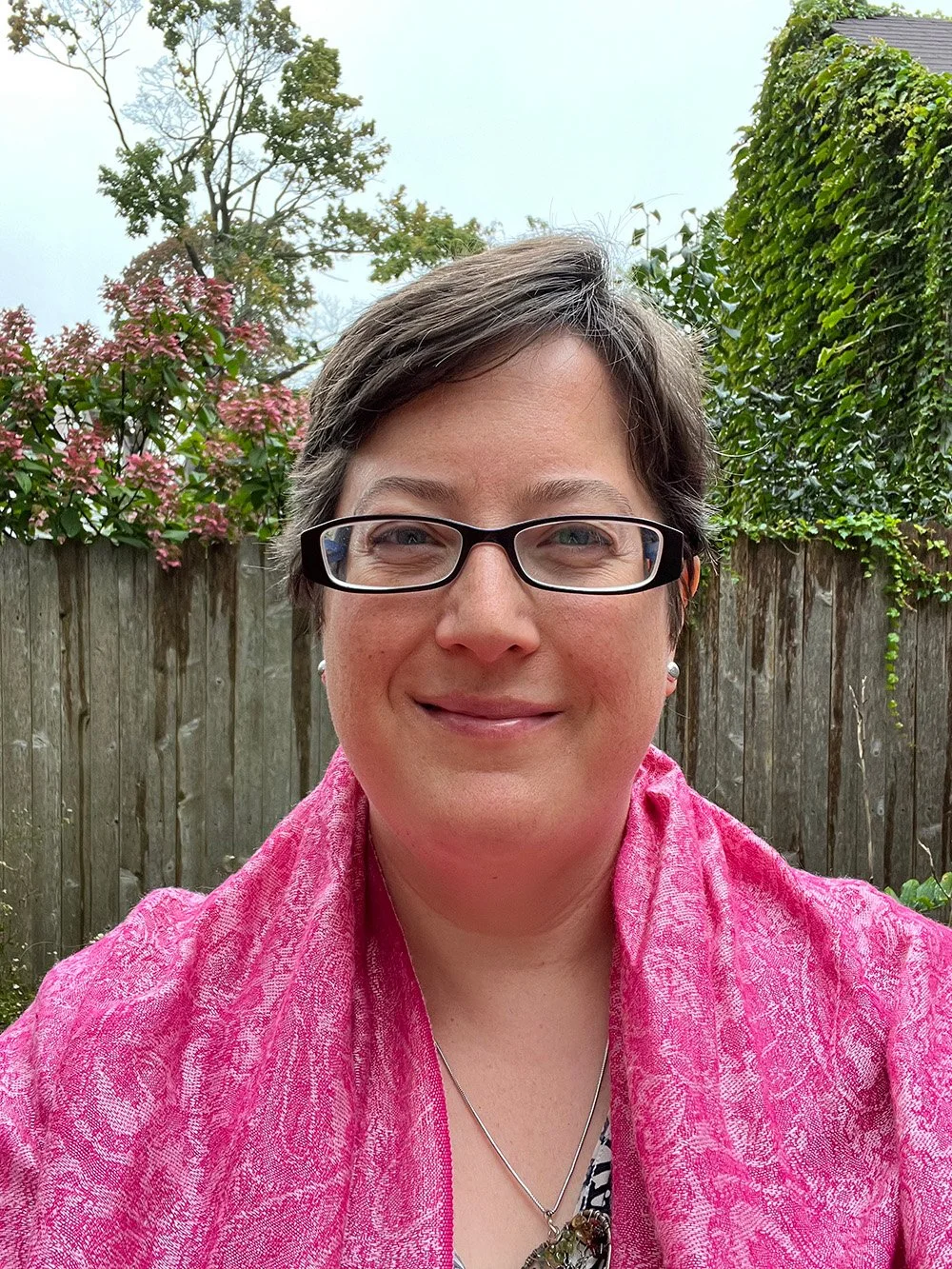
Rev. Sara Baron
is an elder in the Upper New York (UNY) Annual Conference where she serves the First United Methodist Church of Schenectady. She is married to Home Missioner Kevin Nelson, with whom she parents two small children and receives demands from three cats. Sara and Kevin are both former board members of MFSA, and Sara is co-chair of the UNY MFSA Regional Office. Sara is a proud alum of Claremont School of Theology, which enabled her to intern at the Hollywood United Methodist Church, where she learned many of the justice seeking skills she uses today. Sara is also very proud to be 10 years into serving as Dean at Sky Lake Camp and Retreat Center, where her campers ground her in the pure joy of the sacredness of life.
First United Methodist Church of Schenectady is a justice-seeking, inclusive congregation that values thoughtful faith and honest questions. As a church that integrates learning, reflection, and spirituality, they believe faith grows stronger when curiosity and conscience are welcomed.
Affiliated with the Methodist Federation for Social Action and the Reconciling Ministries Network, First UMC Schenectady is openly welcoming and affirming of queer and trans people. Grounded in the belief that God loves all people, they bring this commitment to justice, compassion, and inclusion into worship, ministry, and their engagement with the wider world.